

Índice de contenidos
Festivals bring people together around a shared interest, whether that is music, food, film, culture or art. But although the formats can be very different, they all have something in common: they create a temporary experience where content, community and logistics come together in the same place.
Some festivals are designed for thousands of attendees across multiple stages, while others are much smaller and more specialised. That means the way they are organised (from access and schedules to communication and attendee experience) can vary enormously.
In this article, we’ll look at what defines a festival, the main types and why these events can have such a strong cultural, social and economic impact.
What is a festival?
A festival is an event organised around a specific cultural, artistic, social or thematic focus. It usually takes place over a limited period of time and brings together people who share an interest in the programme or experience.
Depending on the format, a festival can include performances, talks, exhibitions, workshops, food experiences, networking or interactive activities.
Main characteristics of a festival
Festivals are distinguished by certain characteristics that make them unique and attractive:
- 🎉 Celebration: people come together to share an experience.
- 🎭 Diversity: festivals can include different formats, activities and artistic expressions.
- 🤝 Participation: attendees are not always passive; many festivals encourage interaction and community.
- ✨ Atmosphere: the environment itself becomes part of the experience.
- 🌍 Cultural identity: many festivals are closely linked to a place, community or creative scene.
Types of festivals
There are a wide variety of festival types around the world, each with its own theme, focus and target audience. Below, we explore some of the most popular:
1️⃣ Music festivals
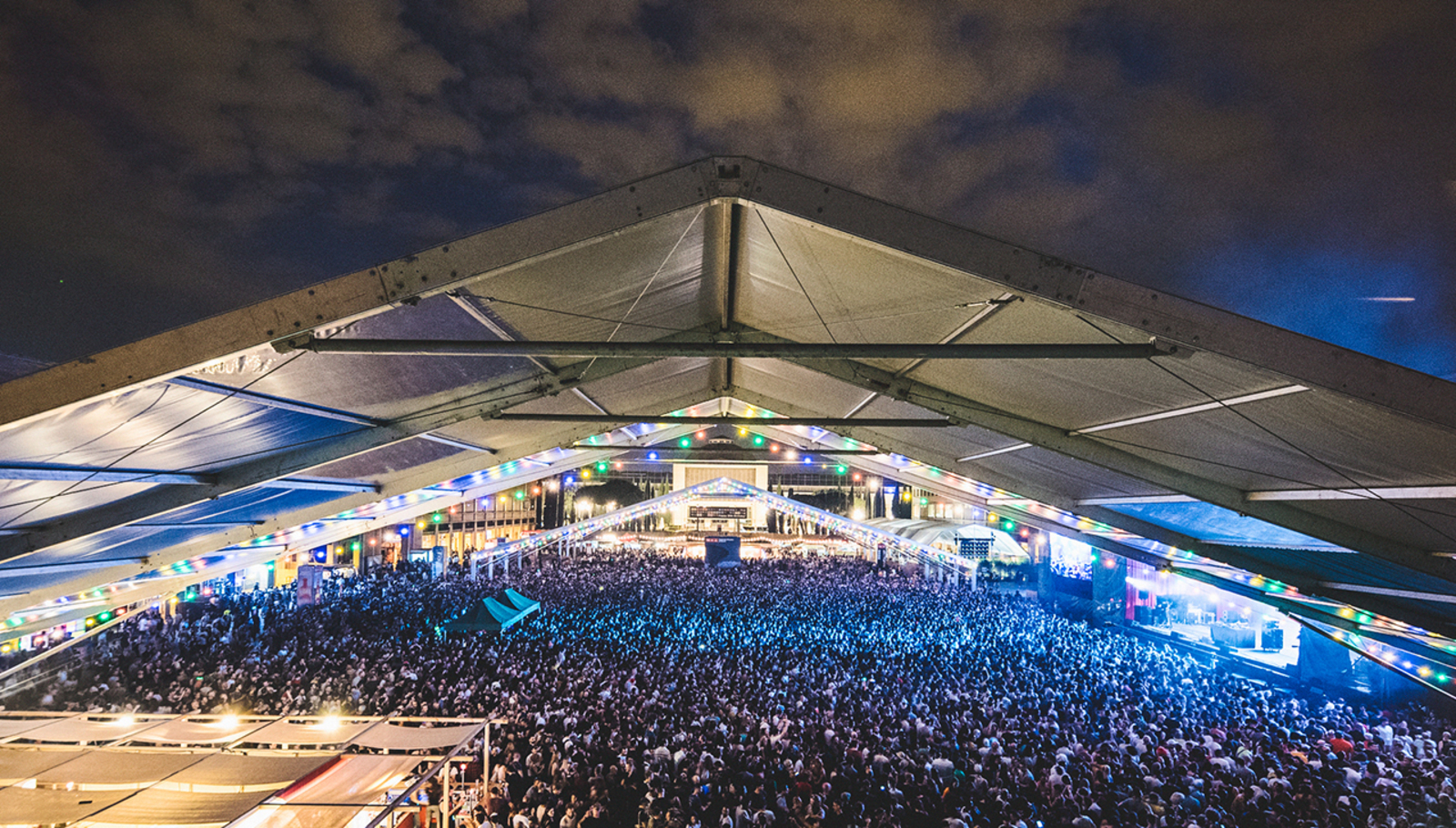
Music festivals are events that focus on the presentation of live musical performances. These festivals attract large crowds and can include musical genres such as rock, pop, jazz, electronica, classical music, among others. Examples of world-renowned music festivals include BIME, SONAR and International Music Summit.
In larger music festivals, technology can also help attendees navigate stages, check schedules, receive updates or access practical information from the event app.
2️⃣ Film festivals
Film festivals are events where films from different genres and countries are shown. These festivals serve as a platform for the screening and promotion of independent and auteur films, and often include competitions, open-air screenings and the presence of directors and actors. Examples of film festivals Sitges Film Festival.
3️⃣ Food festivals
Food festivals are events that highlight the cuisine and food of a specific region or culture. These festivals offer attendees the opportunity to taste a variety of traditional dishes, meet renowned chefs, participate in cooking classes and enjoy live culinary demonstrations. Popular examples of gastronomic festivals Fòrum Gastronòmic Girona.

4️⃣ Cultural festivals
Cultural festivals are events that celebrate the diversity and traditions of a community or ethnic group. These festivals often include music, dance, art exhibitions, religious ceremonies and activities that reflect the cultural identity of the region.
5️⃣ Arts festivals
Art festivals focus on the exhibition and promotion of different forms of artistic expression, such as painting, sculpture, photography, theatre, dance and performance. These festivals offer artists the opportunity to showcase their work to the public and encourage interaction and dialogue on contemporary art. Notable examples of art festivals include NFT Historic Fest and 080 Fashion Week.

Importance and benefits of festivals
Festivals play a crucial role in society and offer a range of benefits to both participants and the communities in which they take place.
1️⃣ Cultural promotion and tourism
Festivals are cultural showcases that help to promote and preserve the traditions, arts and identity of a community or region. In addition, festivals attract visitors from different places, which contributes to the development of local tourism and the economy of the area.
2️⃣ Economic impact
Festivals can have a significant economic impact on communities by generating revenue through ticket sales, sponsorship, food and beverage sales, and local commerce. This revenue can benefit local businesses and contribute to the economic development of the region.
3️⃣ Community building
Festivals foster community cohesion and a sense of belonging by bringing people together to celebrate and share experiences in a festive and convivial atmosphere. These events promote interpersonal contact, social interaction and strengthen community ties.
Digital tools can also help extend that sense of community beyond the physical space, giving attendees access to information, messaging, content or other ways to interact throughout the event.
4️⃣ Cultural and artistic stimulation
Festivals provide a platform for artists and creators to exhibit and share their work with the public. This encourages creativity, exchange of ideas and appreciation of different forms of artistic expression. Festivals can also serve as catalysts for the development of new talent and the exploration of new trends in art and culture.
5️⃣ Entertainment and shared experience
Festivals offer a unique experience of fun and entertainment for attendees. From enjoying live performances, exploring art exhibitions, sampling delicious dishes to participating in interactive activities, festivals provide moments of joy, excitement and entertainment that create lasting memories.
Festivals can take very different forms, but they all create a space for people to gather around a shared interest, discover something new and experience it together. Whether it is music, film, gastronomy, culture or art, the challenge for organisers is the same: making the experience easy to navigate while keeping attendees informed and connected throughout the event.
And when the scale grows, technology can help support that journey through tools such as event apps, access control, real-time communication and attendee data. Because a great festival is not only about what happens on stage. It is also about how easy it is to experience everything around it.
Planning your next festival? Talk to our team and discover how Meetmaps can help you connect access, information and the attendee experience in one place. 🚀